If you run a business that depends on vehicles—whether it’s a truck, taxi, or delivery van—then commercial vehicle insurance isn’t optional, it’s essential. One accident, theft, or unexpected damage can disrupt your operations and lead to serious financial loss.
Yet, many vehicle owners either pick the cheapest policy or don’t fully understand what they’re covered for. That’s where things go wrong.
In this guide, we’ll simplify everything you need to know about commercial vehicle insurance—from types of coverage and pricing to choosing the right insurer and buying policies online. No confusing terms, just clear and practical advice.
What is Commercial Vehicle Insurance?
Commercial vehicle insurance is a policy designed to protect vehicles used for business purposes.
It covers:
- Trucks and lorries
- Taxis and cabs
- Auto-rickshaws
- Delivery vans
- Agricultural vehicles
Unlike private vehicle insurance, this policy accounts for higher risks because commercial vehicles are used more frequently and often carry goods or passengers.
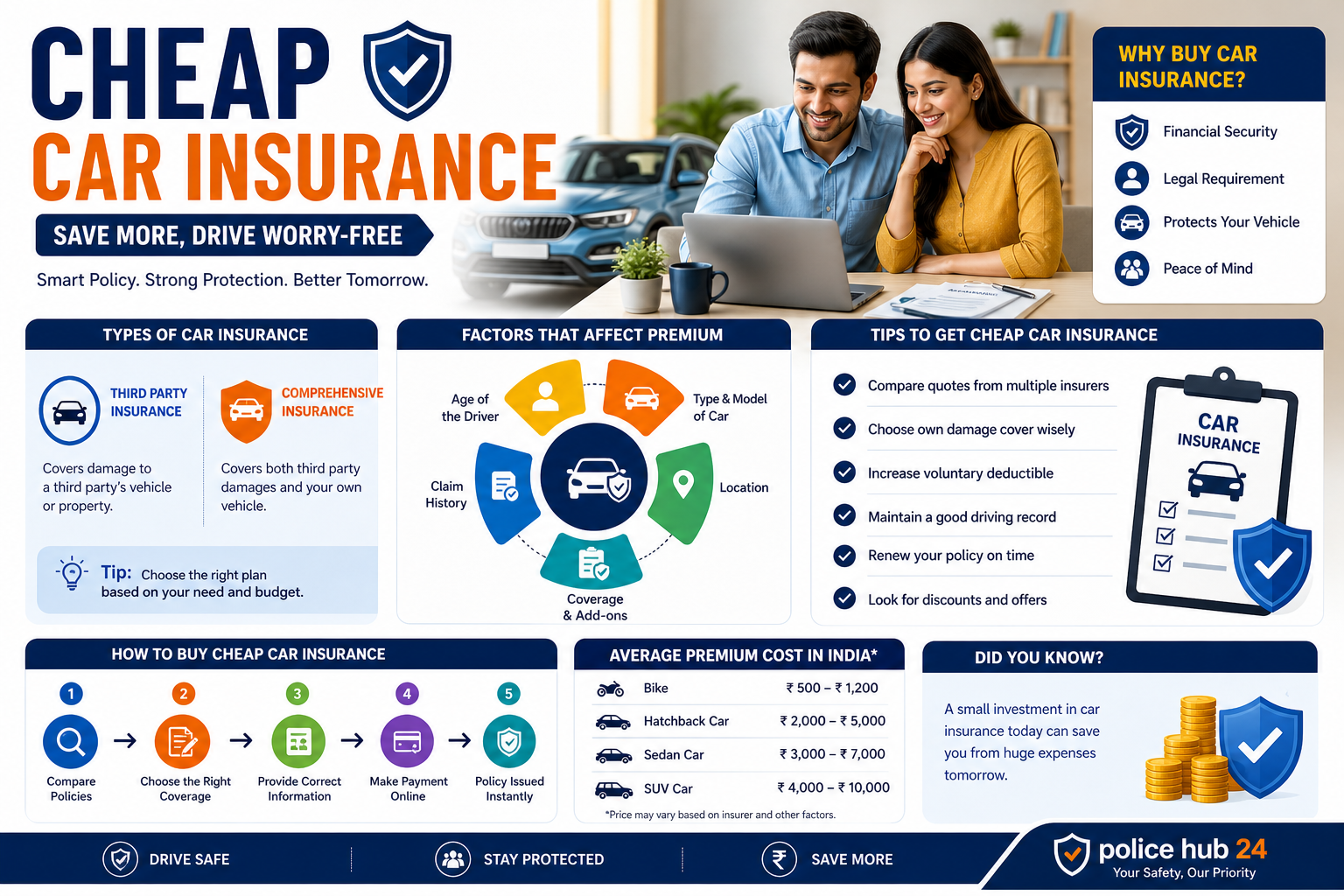
Types of Commercial Vehicle Insurance
Choosing the right type of policy is the first step.
1. Third Party Commercial Vehicle Insurance
This is the most basic and legally required cover.
Covers:
- Damage to third-party property
- Injury or death of a third party
Does NOT cover:
- Your own vehicle damage
Third Party Commercial Vehicle Insurance Price
The third party commercial vehicle insurance price is regulated and depends on:
- Vehicle type
- Engine capacity
- Usage category
It’s usually the cheapest option, but also the most limited.
2. Comprehensive Commercial Vehicle Insurance
This is a complete protection plan.
Covers:
- Third-party liabilities
- Own vehicle damage
- Theft, fire, natural disasters
Additional benefits:
- Add-ons like zero depreciation
- Better financial protection
3. Standalone Own Damage Policy
If you already have third-party coverage, you can buy this to protect your vehicle.
Why Commercial Vehicle Insurance is Important
Running a commercial vehicle without proper insurance is risky.
Key reasons:
- Legal compliance – Third-party insurance is mandatory
- Financial protection – Covers repair or replacement costs
- Business continuity – Avoid long disruptions
- Peace of mind – Focus on operations, not risks
Best Commercial Vehicle Insurance: How to Choose
There’s no single “best” policy for everyone. It depends on your needs.
What to look for:
- ✔ Claim settlement ratio
- ✔ Network garages
- ✔ Customer support
- ✔ Add-on options
- ✔ Premium cost
Tip:
Don’t just search for the best commercial vehicle insurance—compare plans based on value, not just price.
Popular Insurers in India
Here are some well-known providers you may come across:
Policybazaar Commercial Vehicle Insurance
A comparison platform where you can explore multiple insurers in one place.
Tata AIG Commercial Vehicle Insurance
Known for strong claim support and wide garage network.
Acko Commercial Vehicle Insurance
Popular for digital-first policies and quick online processes.
ICICI Lombard Commercial Vehicle Insurance
Offers a variety of coverage options and add-ons.
SBI Commercial Vehicle Insurance
Trusted name with competitive pricing and reliability.
Each insurer has its strengths, so always compare before deciding.
Commercial Vehicle Insurance Online: Why It’s Better
Buying commercial vehicle insurance online has become the preferred choice.
Benefits:
- Quick and hassle-free process
- Easy comparison of policies
- Instant policy issuance
- Lower premiums (no agent commission)
Steps to Buy Online:
- Enter vehicle details
- Choose coverage type
- Compare plans
- Select add-ons
- Make payment
Your policy is generated instantly.
Factors Affecting Commercial Vehicle Insurance Price
Premiums vary based on several factors:
1. Type of Vehicle
Heavy trucks cost more than small vans.
2. Usage
Passenger vehicles vs goods carriers.
3. Location
Urban areas usually have higher risk.
4. Age of Vehicle
Older vehicles may have lower IDV but higher risk.
5. Add-ons
Extra features increase the premium.
Important Add-ons You Should Consider
Add-ons can improve your coverage significantly.
Popular options:
- Zero Depreciation Cover
- Engine Protection
- Roadside Assistance
- Return to Invoice Cover
Choose only what you need to avoid unnecessary costs.
How to Reduce Your Insurance Premium
Saving money doesn’t mean compromising on coverage.
Smart tips:
- Maintain a good claim history
- Choose higher deductibles
- Avoid unnecessary add-ons
- Compare multiple insurers online
Common Mistakes to Avoid
Many vehicle owners make these mistakes:
- Choosing only third-party insurance to save money
- Ignoring policy terms and exclusions
- Delaying renewal
- Not updating vehicle usage details
FAQs
1. What is commercial vehicle insurance and why is it required?
It protects vehicles used for business from financial losses and is legally required for third-party coverage.
2. How can I buy commercial vehicle insurance online?
You can visit insurer websites or comparison platforms, enter vehicle details, compare plans, and purchase instantly.
3. What is the difference between third-party and comprehensive insurance?
Third-party covers damage to others, while comprehensive includes your own vehicle as well.
4. Which is the best commercial vehicle insurance in India?
There’s no single best option. Compare insurers like Tata AIG, ICICI Lombard, Acko, and SBI based on your needs.
5. How is third party commercial vehicle insurance price calculated?
It depends on vehicle type, engine capacity, and regulatory guidelines.
Conclusion
Commercial vehicle insurance is a critical part of running a transport or logistics business. It’s not just about following the law—it’s about protecting your income, assets, and peace of mind.
Instead of choosing a policy in a hurry, take time to compare options, understand coverage, and evaluate insurers. Whether you’re buying for the first time or renewing your policy, a well-informed decision can save you from major financial stress later.
If you haven’t reviewed your policy recently, now is a good time. Explore your options online, compare wisely, and choose a plan that truly fits your business needs.